One Night Live and the Future of Independent Live Music
In a time when touring costs soar and small venues struggle to stay afloat, three music industry nonprofits have created a new model to address these challenges.
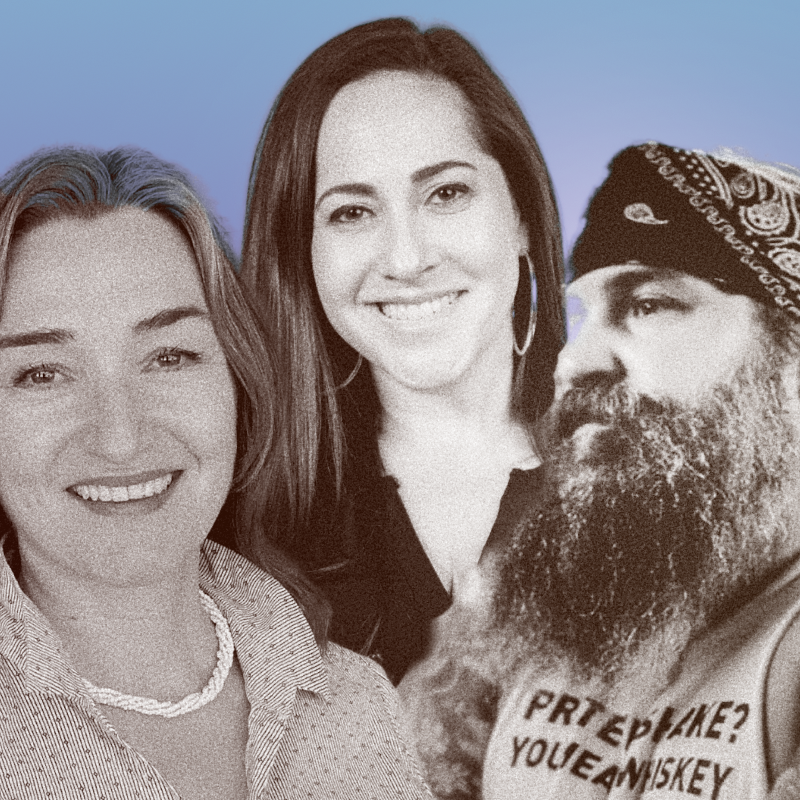
On May 20 at 1PM ET / 10 AM PT, join Cat Henry (Executive Director, Live Music Society and Spotlight On alum), Liza Levy (President, Salt Lick Incubator), and Tom DeGeorge (COO, D-TOUR) for a critical discussion about the state of independent live music and their collaborative solution.
The livestream will address pressing questions facing the industry:
– Why has touring become financially prohibitive for rising artists?
– What happens when small venues can’t afford to take chances on new talent?
– How can collaboration between organizations create sustainable models?
As Cat Henry warns, without support “we risk losing a platform for a generation of promising talent.” This conversation comes at a crucial moment when stories of tour cancellations and venue closures have become commonplace.
This discussion brings together leaders from three organizations working to change the music ecosystem:
– Live Music Society has provided over $4 million in grants to 180 small venues since 2020
– D-TOUR connects independent venues and promoters to create touring opportunities for emerging artists
– Salt Lick Incubator helps independent artists build sustainable careers through mentorship and resources
This livestream conversation offers insight into not just the current challenges facing independent music venues and rising artists, but concrete solutions being implemented right now.
Register here.Watch here:
TRANSCRIPT:
Lawrence Peryer: Okay, we are now live. Hello everyone, welcome. Welcome to today’s conversation about the future of independent venues and emerging artists.
I’m Lawrence Peryer, co-founder of The Tonearm and host of Spotlight On. We are here because the live music ecosystem we all love needs our attention. Touring costs have reached levels that make it financially impossible for many emerging artists to get on the road. Meanwhile, independent venues—the very spaces where you discover your next favorite artist—operate on margins so thin that many are a few risky booking bets away from closing.
But today is not about problems without solutions. Our three guests have created something remarkable: a collaborative model that addresses these challenges head-on. The One Night Live tour, which launched on May sixteenth, represents a new approach—three organizations pooling resources, multiple artists supporting each other on stage, and fourteen venues getting the financial support they need to take chances on new talent.
Joining us today are Kat Henry, executive director of Live Music Society, which has distributed millions in grants to 180 venues since 2020. Liza Levy, president of Salt Lake Incubator, which helps independent artists build sustainable careers. And Tom DeGeorge, COO of Detour, a network connecting venues and artists across multiple markets.
We also have some special guests: the artists from the tour itself. They’re en route to the next tour stop, so they’re joining us from a cramped vehicle somewhere on our nation’s highways. We have Farma Malik, Sophia Fuente, Ellie Williams—who is driving and will keep both hands on the wheel at all times—and West Ccia Fan.
For the next hour or so, we’ll explore how these organizations are changing the economics of touring and venue programming, and how the One Night Live model might point toward a more sustainable future for independent music. Please feel free to drop your questions in the chat here or on YouTube, and we’ll get to them as we go.
Now, I’m so happy to welcome Kat Henry, Liza Levy, Tom DeGeorge, and our friends, the artists themselves. Welcome to the livestream.
Kat Henry: Nice to be here.
Lawrence Peryer: Yeah, it’s great to see you all—all these happy, smiling faces doing so much to keep the music going. Kat, I’d like to start with you if I can. I’d like to get a little bit of the venue perspective. Specifically, when venues apply for Live Music Society grants, what are the types of challenges you’re hearing about from venues when it comes to booking emerging artists?
Kat Henry: That’s a great question to kick off with. We have two grant programs. One is Music in Action, which is our audience-building community engagement grant. The other one is more practical—it’s called the Toolbox Grant. It’s for things that, as we say, improve the experience for audiences, your staff, and the artists who come to your venue.
That can be super practical things like building a bathroom, and in many cases it is exactly that. The Music in Action grant—and we are about to announce twenty-six more venues next month that will be recipients of this grant—is really focused on… It was designed to help people come back. We launched it in 2023, and we had surveyed people. We’d been talking to people throughout our emergency funding about what’s going on. Are people coming to… Are you reopened? Are people coming back? And we kept hearing, “Nope, nope. It’s crickets.”
Understandably so. This grant was like, okay, is there something that you can do? Is there something that we can help you with that will bring people to your room or create visibility or use your space in an innovative way?
Over the three years—we’ve just finished our third round: twenty-three, twenty-four, now twenty-five—a lot of what we hear is that we love emerging artists. We’d love to be able to take a risk on them. We’d love to give somebody their first headline show. We’ve got this programming idea that we really think will touch the refugee community who are moving to our area.
We can’t do it. We can’t take that risk. We run the risk of closing if we do. A lot of it’s about programming and giving chances to local people and emerging musicians. That theme has cropped up. There’s other projects that they do as well—community festivals, disability access to their venues, ramp building. Really simple stuff.
But this comes up time and time again. To be able to answer, respond to that need outside of our grant program was what was behind this.
Lawrence Peryer: I’m curious—before I move on to the other panelists—on the business side, I wonder what it looks like from an artist’s point of view when you’re trying to book something or get booked or play your local or regional venue. What’s the feedback you get that’s preventing you from getting gigs? And I’ll throw it to any of our artist guests.
Kat Henry: I think… Liza, you want to take that? Oh, Farma. Farma? Excellent, yeah.
Artist One: I think that the biggest question as an artist that we get is, can you fill the place? Can you sell tickets? Can you get people in seats? As an emerging artist, that’s really difficult because people need to know who you are to want to come see you. Getting that visibility is really important, and the venues are a really important part of helping that happen for us.
Lawrence Peryer: Yeah. I’m curious, Liza, from the artist development side—I think it’s always been difficult, right, to build a career—but I’m curious how the last few years and the various issues, whether it’s the pandemic or the related inflation, etc., what’s made it particularly difficult of late for emerging artists to build this touring experience?
Liza Levy: It’s just incredibly expensive to tour in a sustainable way. Maybe you get a coveted opening slot on a larger tour, but maybe the guarantee is five hundred dollars a night. That’s not covering your transportation, your lodging, paying for your band members, paying to create merchandise in advance of the show to hopefully sell.
There are all of these barriers to getting out on the road as an emerging artist. As things have gotten more expensive, it just becomes harder and harder.
Lawrence Peryer: Tom, on your side, how do you think about the financial risks of booking artists without proven draw? I know you are a venue owner. You talk to so many venues and promoters. What’s the conversation on that side of the table?
Tom DeGeorge: Just like everybody else has said, things are more expensive. But you also have fewer rooms. You’ve got—for these artists—fewer reputable spaces because rooms are closing. If they have to travel longer distances to get from show to show, it’s hard to have a sustainable tour.
Then, the venue itself, if it agrees to do a show with a lesser-known artist, you have to absorb more risk. I’m lucky because I’ve been doing this for a really long time, and over the years I’ve been more willing to take chances. But if I was just getting started, if I was a young venue right now and I was in year two or three or even five of my existence, I would be very wary to take a chance unless it’s something that’s a sure thing.
When you look at the ecosystem and what we’ve talked about and everything that’s happened over the last few years, you have to start thinking a little bit bigger, thinking outside of the box and maybe dreaming a little bit about what can we do to change the narrative that we’re seeing thus far. How do you accomplish that?
I think one of the ways to do it is by leveraging these relationships, whether it’s artist to venue or artist to venue to other organization that is like-minded in what we’re trying to do. And then multiple organizations. There’s that old saying that it takes a village.
It really does right now because the ecosystem the way it used to be was more of a pyramid where everything was big on the bottom and it peaked at the top. Right now, because it’s been cannibalized so badly, it’s upside down. It’s up to all of us to reverse that trend and get back to these developing artists having a fair shake and getting noticed in these rooms that help build community.
That’s really where it should happen. You can have technology and everything else, but until those artists can perfect their craft on a real stage, it’s going to be very shortsighted.
Lawrence Peryer: Yeah. Before I get back to—I have a follow-up question for Kat. I did want to ask our artists who are participating here.
One of my sort of pet gripes is that we ask artists to be so many things these days. They have to not only create music, but they have to be social media marketing managers, and they have to be finance experts and small business people. To an extent, some of that’s a good thing, right? To understand your business and to understand your career. But ultimately, we want our artists making art. Every minute that they’re spending doing something else, they’re not making art.
I’m curious—and again I’ll throw it to anybody who’s in a position to answer from the car—how aware are, and were you, of the realities that your counterparts on the business side were facing? You’re out there pitching venues, you’re making music, you’re trying to get gigs, and I would imagine sometimes it just feels like roadblocks or nos. But how much awareness and insight did you have into the struggles that the people on the other side of the table were having?
Artist Two: I think that the industry has also changed a lot in general. Everything that you’ve talked about when it comes to COVID can also be applied to everything else on the business side as well. Previously, a project like ours, we might already be at a stage in a scenario where we’re signed to a label, we’re getting placed as opening acts on their tours.
Nowadays, labels take fewer risks too. Nobody wants to take risks, which we understand. But we are the ones that have to be left with—okay, we are solely taking the risk on ourselves for a much longer time than it would’ve been pre-COVID, I think, if that’s fair. But yeah, I mean it definitely has pros and cons.
You do run it like a business, and that does mean that if there is a chance to hop on a tour eventually, or sign a deal with a major label, you’re going to be in a much better place to understand your own business and the best way to go about that, I think.
Lawrence Peryer: Kat, related to that, how much support does a venue typically need to take a chance on an unknown artist? What are they evaluating? How do they get to yes?
Kat Henry: Bodies in the room. Of course, every venue owner would love sellout shows and everybody buying food and beverage and successful shows. That does happen, of course. In some ways those shows of super popular artists and engaged fans can sometimes subsidize the others.
There’s a larger conversation about larger venues subsidizing the emerging artists who play in the smaller venues. Something that’s being explored in the UK more about stadium shows—like a pound a ticket going to this fund that supports… But in lieu of that, that’s where we come in.
It is not one number, it’s not like five hundred bucks. There are so many variables for a venue size, right? The smallest venue on this tour is eighty cap, largest is three hundred. There’s tertiary market versus primary market, the big cities. Or it may have a built-in audience.
I think a lot of venues are looking at, can I cover the sound guy? Can I cover the security? Can I cover the bartenders? Am I going to sell anything? Is anybody going to be in the room? Understandably, artists are making money on tour or through merch, but when people have less disposable income—which of course we all know that they do now after inflation and the changes of the past few years and coming out of COVID—you have to be very selective about how you spend your money.
We have to understand that on the consumer side as well. Yeah, it means different things for different people. We have for-profit venues in our network, we have nonprofit network venues. Sometimes they approach things—they have membership programs built in, concert series, those kinds of things.
But otherwise, it’s a small venue going, I’m just going to take a chance. Hopefully I can cover the sound guy and the security. Like the very basic stuff. Not even the fixed costs, just the direct costs for that night. The person on the door, for example. And there’s no one answer.
But what we’ve tried to do is to look at all those variables and provide something that maybe is just encouraging, okay? If we give you this small stipend, you can take a little bit more risk than you might otherwise be able to do. We’re not talking about lots—three hundred bucks, right? That you could use on marketing, publicity.
Speaking of, that’s another expense for artists. When you talk about the cost of touring, there’s the cost of publicity and marketing as well, isn’t there? This model is—and believe me, this is a beta. We are beta testing. This is the first thing that we are trying to do that tries to address some of the issues from the artist side, from the venue side, and the industry side as a whole.
Connecting venues with each other to go, okay, how does this work? How do we stop venues closing? How do we help emerging artists get to the stage in their careers where they are playing one thousand, two thousand seat venues? How do they get there without this network and community? We’re learning as we go. Like I said, there’s no one answer, but we’re gathering data and information. We have a survey out to every venue. Did it work? What would you change? What would you like to tell us about how it could work?
This is the first of what I hope and plan to be many tours going back to the same venues. We have hundreds of small venues in our network. Many grantees—180 grants out there so far with twenty-six more to come. As we build this group, we’re engaging with them and finding out what works as we go.
Lawrence Peryer: Yeah. Before I move on from you, Kat, let me just ask you—I touched on it obviously in my introduction—but would you articulate for the audience what is the One Night Live tour and how is it different from a typical tour?
Kat Henry: Okay. I met Liza a couple of years ago at Americana Fest in Nashville, and as soon as I met her I was like, okay, we need to do something together. I loved what Salt Lake Incubator does. Salt Lake is one of the artist incubators. There are several across the country. I’m deep into trying to find out where they are. Cleveland Rocks, Mid Topia, Key Change. There’s a lot of organizations who have recognized how hard it is and want to help and are doing real work to help these artists.
That’s not my role. Live Music Society supports the venues. Honestly, being candid, we never want to get into the situation where we are programming, right? We don’t want to be picking certain artists, but by working with artist incubators, we have a way to add to what they’re already doing. So that was the genesis. We spent a year batting around different versions of this. Last summer I was like, we are going to have to do something sometime. That’s when I got talking to Tom and Sean and the folks from Detour. I was like, these are the venues. Many of them are our grantees. They’re folks we know from the National Independent Venue Association. They’re folks we know to be really engaged. They care deeply.
So it just made sense at that point last summer for us to say, “Hey, you want to try something with us? You want to do this?” Eventually we settled on a model. The artists are selected by Salt Lake, and I’ll let Liza unpack that a little bit. Detour brings that expertise, that knowledge of routing, touring. You don’t want to drive more than six hours—even though this is, I think, the longest drive on the tour. You don’t want to be driving longer than six hours, right?
We looked at all of the different pieces and this is the first model that we’re trying. This is a commercial tour. There’s a door. The artists are getting a door deal. If they have merch, they’re selling merch. The venues are doing their best and selling tickets as they normally do. We are just providing a little bit of a stopgap.
We’ve said to them, listen, this is a stipend. It’s three hundred bucks for this one night, One Night Live. You can use it for marketing. You can use it to support the other band on the roster. You can use it to cover your expenses so that you know that you’re going to be cool for the night. You decide how you’re going to use it.
That’s how we built these fourteen gigs beginning in Miami and going—it’s a big question mark—going up around the country and coming all the way back around to Nashville. We’re learning as we go. We’re learning, does this work? How should we change it? What do we all need to bring to the table? What support do the artists need?
The idea behind this whole thing is that we have gotten to know these amazing venues. Not all of them become grantees—there’s a juried grant process, right? As much as we want to keep our grant programs, there’s a lot of really incredible venues who don’t even know who we are yet or haven’t applied for a grant or applied and have not yet become a grantee. We wanted to make sure that we were engaging and supporting those venues and just spreading the love a little bit, and this was the ideal way to do that.
Lawrence Peryer: All right. That’s great. Thank you. Liza, tell me a little bit—and maybe we could bring the artists into this part of the conversation as well. How did you identify the artists as the right ones for this experiment? I’m curious both from your perspective and theirs, what were the conversations around this idea and this model and everybody’s—how’d you get everybody recruited and on board?
Liza Levy: Yeah, totally. We were looking for number one, incredible songwriters and storytellers. The songs have to be there in order for audiences to connect. They had to be really strong live performers, had to be able to bring it on stage. Fire in the belly. They had to want it because this is—even though they have support from us and they have support from Live Music Society and Detour—it’s still not easy being out there on the road. You have to make… Case in point, this is their couple hours off where they’re in the van and they’re doing podcasts and they’re doing press and they’re making contact. They’re reaching out to local artists to connect before they get to town. So they’ve got to want it, they’ve got to want to be full-time artists.
The other really important aspect was that they had to be wonderful instrumentalists so that they can back each other up musically. One of the things that keeps this tour sustainable for them is that when they’re not doing their own set, they’re backing the other artists up, either playing their instrument, singing background vocals for each other so that none of them had to hire a band because that would’ve made it way too expensive to go out on the road.
Essentially they are each other’s bands. So that was a really important aspect of it. Then they got to be a great hang, right? They are just living together every moment for the next three weeks. If they weren’t going to get along, if they weren’t cool to hang out with, if they weren’t going to be cool with these amazing independent venue operators and local musicians, it wasn’t going to work.
So the hang is super important. Then, just, there had to be a through line musically between the three artists so that their audiences could successfully cross-pollinate and discover each other through this model. Yeah, I think that through line is absolutely the storytelling and the relatability of what they’re bringing into the world.
Lawrence Peryer: Yeah. I’m super curious from the artist’s perspective—this is obviously a really cool different idea but especially the part about being in each other’s bands. That strikes me as a big ask. I’m curious—it’s a creative challenge, but it’s also a fun, creative opportunity. Could you just talk a little bit about your reactions to the idea and the experience so far?
Artist One: Yeah. It’s been really great. I play piano, so I’m playing keys on Ellie’s set and a little bit on Sophia’s set as well. Ellie’s playing guitar on my set. Then Sophia’s singing on both of our sets as well as playing guitar on her own set.
It’s great every night and developing it and it’s starting—the songs are trying to take arrangements of their own, which is always really fun as a musician.
Artist Two: Yeah, it reminds me of the Nashville… So I think that in that case I think we might want to see for a second. Yeah. It reminds me of the Nashville Writers Round format. We all help each other out and it allows for an audience to stay for an entire set and discover three artists’ music. I think when you’re an emerging artist and touring is already difficult, we can adapt and yeah, I don’t think it’s been difficult. It’s been really fun.
Lawrence Peryer: Nice. Nice. This is so fun that you guys are on the road doing this. I love it. That’s such a great spontaneous element to all this. Tom, I have a question for you. What’s the—when you’re routing tours for emerging artists or you’re thinking about booking a few nights of emerging artists, what’s the difference between a successful run and one that just leaves everybody, the artists, the business side, everybody, hurt and unhappy? Is it just butts in seats? What has to happen to make this magic unlock?
Tom DeGeorge: For this project, because this is different than anything we’ve ever done… As a venue owner myself, we try to believe in doing artist swaps or taking a chance on an emerging artist. Sometimes an agent or a manager will come to you and say, “Hey, will you take this chance? In exchange, you’ll get this other bigger artist down the road.”
This project, in and of itself, like I said, is unlike anything I’ve ever been a part of. I think first of all, you have to realize that this is a long game. We’re trying to do something that hasn’t been done before. You need time to work out the kinks. You have to understand that success for this project isn’t selling every single room out that you’re going to.
The success in it, to me at least, was getting—we earlier talked about the cost of doing things and the stipend and trying to offset it. But we didn’t really talk about getting the buy-in from the venues themselves, like having those venues believe that we have a broken system right now. While we continue to work through that broken system, we still have a bigger vision of the future and what it can be if we work together to fix something that’s broken.
It didn’t get broken overnight, it got broken over a long period of time. So we have to be willing to invest in the amount of time it’s going to take to fix it. Once again, this is a long game. I think getting the rooms to buy into it, getting them to understand that we’re asking you to take a leap of faith and that this first initial tour might not do tons of money, but it’s going to make a difference.
We are investing back into these young artists. We’re trying to make it more feasible for these artists to grow in our smaller rooms. I think at the end of the day, getting enough support out of that is success in and of itself in this One Night Live. Then hopefully after we’ve done six or ten of these, they become fully sustainable on their own.
Where the brand itself has a reputation and you get people in these different local communities that when they see the name One Night Live, even if they don’t know those emerging artists themselves that hopefully come from different incubators or spaces all over the country, they’re going to buy a ticket because they understand the brand and they understand that they’re going to get to see somebody really special in this intimate setting.
That down the road at some point will be playing in those larger rooms that were birthed in these right spaces, in these communities with the right artists and it’s just a growth. Once again, it takes time and it takes commitment and patience and understanding that we all want more and we want to do better.
Lawrence Peryer: Yeah. Related to that, Tom, we have a question from one of our viewers Craig Snyder. He was asking about emerging artist nights—various rooms around the country have those types of events, maybe they’re free, the artists are getting paid. As you were saying, crowds come out because they know, oh, this is a new music night. They’re spending money at the bar and they’re going to check out new music. I’m curious—clearly the need wasn’t being met. Those nights aren’t doing enough. You needed more. What was missing? Why not a sponsorship model here? What had to happen that wasn’t happening?
Tom DeGeorge: We do open mics and things similar to that in my own community, but that only grows the artist level in my backyard. What we want to do is we want to help these artists travel and get out and grow their following in different neighboring states and regions.
Then also connect them to those artists in those areas that they’re going to. Earlier we talked about the need for the artists themselves to learn the business. I don’t even find that cringe worthy anymore. I look at it like it’s an absolute necessity. Yes, the art’s important, but understanding how to brand yourself and market yourself more effectively and then also manage yourself and maybe even take care of yourself because the margins are so thin is priceless to me.
I don’t think I would ever want to be an artist that didn’t understand the business point of things at this in this day and age, because it’s really necessary. It doesn’t mean you have to do it all by yourself, but you have to understand it so you’re not being taken advantage of. I think that we just live in a day and age where doing the few things that we’ve done before or bands being willing to… Open mics are great and stuff, but everybody—we need to figure out ways for everybody to also be able to live and make money and continue to do their art.
There’s a lot going on.
Kat Henry: I’d love to add something to what Tom says about emerging artists nights. As he’s pointed out, it can be hyper-local and that’s great, to build your audience, a live audience in your hometown or even your home region is great. Then what? These artists have great followings on social media, on Spotify, on channels that’s not in the hometown, right? What’s next? For those who don’t—I would say win the lottery and get a support slot on a much bigger tour—what happens? How can they break out of that regional area?
We are looking at all of the different ways to do that because they have fans in other places who would not be able to get to see them. So that’s a factor. Yeah, we absolutely support the emerging. In fact, Live Music Society funds a lot of emerging nights in various local places, but often yeah, they are local.
We’re looking at different models, maybe like swaps, like a band that’s huge in Cleveland and they’ve got a great following, but they’ve really never left the region. They’re huge. They’re big in the Midwest. They have a following. We pair those up with a band from Tennessee that has a great following there. Then we take them to the west coast, that we allow them to go meet their fans and to build their career when they’ve gotten so far, but they’re ready to expand.
Lawrence Peryer: Yeah. I want to be mindful of the fact that we may lose our artist guests at some point while they’re on the road and they may need to move on with their day.
I have a question, Liza, I’m going to start with you, but I’d also like to bring the artists in on this. This question’s also informed by someone who asked via YouTube. First of all, you mentioned earlier about how the artists serving in each other’s bands are important for the economic viability of the tour.
I’m wondering, without you having to go too deep on any specifics of the cost, but I’m curious, just how impactful is that? If you could talk a little bit about the differences between everybody bringing a band and everybody serving as a band, what that means for the differences.
Then maybe after you answer, I’d love to hear from the artists a little bit about their experiences prior to this tour. Did they have experiences as band members or for lack of a better way to say it as side people in other people’s bands. What’s it like to put your sort of leadership and vision aside for even a little bit of time every night and give yourself over to somebody else’s vision for a little bit. Just curious to hear the artist’s experience there as well. So I’ll start with Liza.
Liza Levy: Yeah, I think bringing a band out with you—and we’re not trying to put bands out of business—but instrumentalists, side men, side humans, we want them to come out when the artists are able to pay them the rate that they deserve.
At this level, with the amount of tickets that are being sold, the finances just don’t work yet. So these artists are doing the work, building the audiences in each of these markets so that hopefully they can come back and bring their bands next time around. So that’s definitely a huge asset to the way this tour was set up in terms of making it sustainable for artists.
Being one touring party is also helping with vehicle costs, I think, because they’re all touring. The artists are leveraging their relationships in each market—oh, I have a third cousin over here that we can crash with, or, oh, I have an old music instructor over here—so that’s helping with the lodging costs as well, which makes it sustainable.
But I love your question and the question from YouTube about what these artists do when they’re back home and how do they make a living and how does music come into that? Because I think that really speaks to fire in the belly and creating a lifestyle where if an opportunity arises where, hey, you can go on tour for three weeks, how can they leave their everyday life and just go do it? So I’d love for… Yes. Sophia, maybe you could jump in and talk about what you do at home and how you sustain yourself.
Artist Two: Yeah, it’s funny. I think that this is something that whenever I talk to younger artists about as well, or just somebody earlier in their journey, I’m really passionate about—your part-time gig can make or break your career in my opinion.
Because if you have the wrong gig where you don’t have flexibility and you can’t jump on opportunities, you do miss out on a lot of things. I’ve always had remote jobs or part-time jobs. I’m also a songwriter for other bigger artists, particularly in the Latin industry. So I am able to have flexibility in that sense.
Back to your question about collaborating and maybe Farma also can jump in, but I really do just—I agree with the fire in the belly notion. I think that nowadays if you have an issue with collaborating with somebody or supporting somebody and putting your ego down for thirty minutes, this is not the business for you.
I think it’s all about community. It’s all about building relationships. I think that’s been part of how amazing Salt Lake is that I will say everybody on this tour has an exceptional personality and has made the entire process really easy. I think if it wasn’t for that, this could be pretty miserable.
So I think we’re already happy. Honestly, I think taking a chance and collaborating, having the ability to turn the star power off when it’s not your set—it’s super important.
Artist One: Yeah, absolutely. I think Salt Lake did a really great job of choosing artists that I think they thought would get along and gel and are humble and able to serve the appropriate roles at the appropriate time during the set.
I live in Boston and I’ve worked as a side person a lot in the jazz music industry. I have my own band in Boston, so I know what it’s like to be a band leader and to—you get the check and you’re paying everyone and you’re figuring out all the transportation and sound and that’s a lot of work.
So it’s nice sometimes—it’s really nice sometimes to be a side person and to be able to take a back seat and to just share the space together. It’s really nice.
Lawrence Peryer: That’s beautiful. Yeah. Thank you. Tom, I have a little bit of a two-pronged question for you. I was going to ask it one way, but then I was just texted a question, so I’m going to double dip on you here.
There’s local support acts or opening acts throughout this tour, and my two questions are one: What’s important about that for this tour or just developmentally for the ecosystem? My second question is for artists or bands that are just starting out, do you ever have, or can you offer any advice about how artists can get in the mix to be considered as openers when tours like this or even bigger tours come through town? How does that work for somebody?
Tom DeGeorge: Yeah, I think when we first started talking about this concept, one thing that I tried to drill down was this has to be we versus me. If we’re trying to help developing artists regardless of where they’re coming from, we have to connect them intimately with the communities that they’re going to.
The best way to do that is to, once again, leverage these relationships. You got to leverage the artist relationships. Separately in this area, we have a company that I’m part of called Florida Maverick Artist Management. We do events and we do artists swapping around this region frequently.
We try to take our Tampa artists and get them to hopefully Atlanta or other parts of Georgia or North or South Carolina and say, “Please take them and when they can come, we’ll take you,” and building those relationships where these artists are meeting each other and getting on the road together and getting to know each other.
We live in a society where you can… We’re trying to get people back on the road, but we can also utilize the good parts of technology and the connectivity that’s out there. These artists should all know each other. If you’re trying to get out there, there should be absolutely no reason in this day and age that you can’t get to know other artists from all the different markets you want to go to.
That’s like the hundred thousand foot view of this national tour. But for the second part of your question, the same thing can be done locally. I tell bands all the time that’ll hit me up locally that have never played my room. I will tell them, go and look and see some of the other local bands that have played the room, because you’re going to have more success by trying to get in here off of the coattails or the legs or whatever, however you want to call it, of another band that’s already got a relationship with me.
Come to other nights, come to other local shows, network with those artists, come see the local bands that are playing in my room or other rooms and then befriend them, ask them to pay it forward.
That networking is where it’s at and it’s got to happen on a local micro level. It’s got to happen on a regional level, on a national level and maybe even on an international level at some point if we keep having a big enough vision. But yeah, that’s what it is. It’s building those relationships, not just with the venue but with the other artists in those communities and in other communities around the United States.
Lawrence Peryer: Great. Thank you.
Artist Two: So sorry. We’re going to have to jump off because we’re getting a little too close to our destination now. But thank you so much for having us.
Lawrence Peryer: Thank you for joining us.
Tom DeGeorge: Atlanta tonight, right? Atlanta at the Masquerade?
Artist Two: Yeah.
Liza Levy: What are some of the venues that you’re psyched to play? Some of the markets and venues you’re psyched to play coming up on the tour before you jump?
Artist Two: I’m definitely psyched for Nashville because I haven’t—I went there when I was like twenty and it will just be really fun to be back.
Artist One: Yeah I’m excited for Jackson. Oh yeah. I’ve never been—it’s going to be amazing. I haven’t really been to most of these places, so I’m just excited in general to be in this region and play in the same market.
Lawrence Peryer: Great. Thank you for making time to do this.
Artist Two: Of course. Thank you so much for having us. We’ll check in with you later.
Lawrence Peryer: I’m curious, actually, I’m going to ask this question I think to all three of you, but I would love it if you could answer from your perspective or your organization’s perspective, and that is how are you going to evaluate whether this model in air quotes worked or what’s the success criteria for Live Music Society?
Kat Henry: Yeah, we’ve batted that around a lot in planning this. Okay, what are the measures of success? I think there’s initial measures. First of all, just doing something is successful, making this happen and impacting these artists’ lives in the way that I have no reservation about saying this is so impactful on their lives.
That’s success immediately for me. But yes, we want to build the number of tours, we want to build the number of rooms we want to touch. All of the amazing venues that we’ve gotten to know over the past few years. We want to build the brand, as Tom said, we want to build the brand of One Night Live.
As there’s emo nights and different brands where people gather under one umbrella and they go, oh, that’s cool, let’s go check that out. That’s the goal. But in the meantime, success for us is engaging with the venues, making sure that they know that we’re in their corner.
It’s tough. It’s really tough to run a small venue and a lot of people are like, okay, I can’t do this anymore. I’ll give up. Just by existing, Live Music Society, time and time again, people go, “Man, you care about us. All right, I’m going to keep going for another year.” And you just gave me five grand to reset my stage or to get subwoofers or in some cases like portable air conditioning.
Then we’re like, okay, we can keep doing this. That is another level of success that they know that we are here to support them. For this particular tour, I think one of the most successful things is getting the feedback. The feedback that we get from this first beta test is going to be—if we can get really good remarks of yeah, I liked it, but, or this was… I really want to do this again, or I’d like to do this again, but you should think about X, Y, Z—that’s successful. We really want to understand from the venue’s point of view, from the artist’s point of view, does it work? Should we start looking at other models or ways of doing this?
So that will be success. But of course, ultimately we want people to come to the gigs. We’ve been lucky so far. The kickoff in Miami was absolutely fantastic at this great place called Gramps in Wynwood, the design district. They’ve got a busy week. Success would be, maybe the people who are listening to us speaking right now, go to onenightlivetour.com and go buy a ticket for one of the gigs.
There’s two weeks, two weeks left of the tour. I’ll repeat that—onenightlivetour.com—and get a ticket for Chicago, Atlanta, Greensboro, North Carolina, Pittsburgh. They’ve got a really—this is, we’ve caught them on a long trip, but they have got a lot of gigs this week. They’re in Atlanta tonight, then Greensboro, DC, Pittsburgh, Akron, Ohio, and Chicago.
Yeah, we’d like to be able to say that, yeah, maybe they’re emerging artists, maybe they will play to ten people, which is part of the journey of many musicians. But if we can get some super big shows together and have the venues say, yeah, this was great. Can we do it again?
Lawrence Peryer: Yeah, there’s some great towns too. Some great music cities on that list, on the itinerary. Liza, I’m curious, you basically represent the artist here or the artist’s perspective both for your organization and in any conversations you had at the outset with the artist in terms of expectation setting. What’s success look like from an artist development or just artist satisfaction point of view?
Liza Levy: Yeah, absolutely. The first conversation we had was no one is getting rich in this model. Literally no one, not the venues, not the artists, not the openers. So that can’t be what we’re out for here.
I think number one, did you learn something? This is the first tour for all three of these artists, even though in their own right Sophia’s flown all over the world to write for other artists. Farma has been nominated for Grammys on other people’s projects. But in terms of touring, this is their first tour for all three.
So what did you learn? How could you optimize what you learned? How could you share that knowledge with your artist communities when you return back home? I think number two, relationship building. So important with the local artists. With the local venue operators, with the staff, with fans, of course.
Could you make one super fan in each market? Who would then be your passion leader and your street teamer next time you come back to that market? Or who could invite you to crash on their couch. One fan I think per market is impactful in and of itself. Then the third thing is like the pandemic is over.
We were talking about COVID. We’re not all sitting on TikTok watching people sing in their bedrooms anymore. As a fan, I want to know how the artists that I love, or the artists that I’m discovering, how do they move through the world? How do they show themselves? What are they doing on their platform to elevate and highlight other people?
So I think from a content perspective, showing these communities that they’re coming into—Ellie just played Tom’s venue and she was like, this is the best bathroom graffiti I’ve ever seen, and did a whole piece on it. Her fans are all commenting and the ability to connect and relate and also highlight some of these local communities, I think is really important as well.
Lawrence Peryer: That’s great. That’s great. Tom, I’m going to do it to you again. A question came in over YouTube that kind of modifies what I wanted to ask you. Obviously, I’m curious about how the venues and the local players that you’re dealing with would view success.
But I’m also curious how are you getting feedback from them? Is it all anecdotal or is there some kind of quantitative feedback mechanism, a survey, or how are you communicating about the success and how are you getting communicated with about the success from your constituents?
Tom DeGeorge: We definitely—we all together put a survey together with additional help from other members of each of our organizations. There is a survey that each venue gets with about twenty questions on it, basically asking them… There’s a train coming. I don’t know if you’ll pick that up, but.
Basically asking about the experience, what they thought worked, what they didn’t work, if they put local support on it, if they… how they used their stipend, how they marketed. There’s just a number of questions on there. I think what this first one—the goal was let’s begin, let’s get started.
In doing that, I think you don’t want to put too many guardrails on things, because then we’re not going to get a true answer of what worked and what didn’t. So let’s give these venues a little bit of freedom on how they’re going to do things. Then we can look at the information that comes back to us.
Then we’ll know, okay, this worked, this didn’t work. Or maybe this worked in this market, but it didn’t work in this market over here. I think, again, just throwing it at the wall a little bit on this first one and seeing what sticks I think was really important.
The next level of success is how we take what came back and how we continue to evolve. Because again, I don’t think any of us are looking at this—this is going to be perfect tomorrow or next week or even next year. Things take time to really develop. So having that evolution, helping it evolve, continuing to move forward, remembering why we’re doing this.
Then I think for me at least the final goal would be to have more people try new things to look at what we’re doing and go, you know what, that was an interesting concept. What if we tried to do that? Because I think just—and it, I guess it sounds cliché, but I’ve talked about it a lot over the last five years.
I think being a part of the National Independent Venue Association and doing the Save Our Stages and getting that act passed, I think there were many of us that sat there and thought, where do we go from here? That’s how Detour was formed in the first place. It was a handful of us saying, what if we tried to do this?
We could actually put these relationships into effect in a way that could actually help our venues and developing artists like just working together, finding like-minded independents that are for-profit, nonprofit, synergizing with the artists. I want to see more of it.
I want to see more of it across the board. If what we do helps inspire other people to just not settle, I think we talked a little bit at the beginning about everybody wants to talk about the problems. Where are the solutions? Let’s get to work, let’s find the solutions so we can take care of the arts because it’s important.
Rooms like this, artists like this in those small rooms, that relationship, the community that goes along with it—it brings a lot of people joy, and especially in tough times. We have to protect it at all costs. So I just, I encourage everyone just to start thinking boldly and to do the best they can.
To me, that would be the greatest thing that could come out of this, is to help other people take a leap of faith too.
Lawrence Peryer: Amen. Amen. Kat, pursuant to that, or along those same lines, something that has struck me from all three of your answers is that it sounds like there would have to be a real, for lack of a better way to say it, disaster to not want to do this again.
This was really about let’s just do it once, run the playbook and then refine and the—you didn’t have to get everything right the first time. Not everything was riding on this one tour. But I’m curious about if you could tell me a little bit—paint a little bit of a picture about scale.
Okay, this goes well, we all sit down a month from now and say, wow, let’s do it again. What does that look like? What’s the next step? Are there other organizations you could pull in? Is it bigger rooms? Could you just paint a little bit of a picture of what a future for this might look like?
Kat Henry: We don’t have to wait for a month. We’ve already had those conversations. From the beginning it was like, before this tour even kicks off, let’s be planning the next one, so that we can learn from it immediately. Yeah. We want to do tours this fall—we’re already working on those.
It is interesting that you say, who should we connect with? Because this umbrella One Night Live… Yeah. It means one night you go to a venue and musicians live. That’s something that I believe, and probably everybody who follows Tone Arm and Spotlight On also believes is really special.
But it could mean some other things. If there are music cities, music together, other youth or music organizations who only ever see each other on Zoom. Maybe they get to come One Night Live to connect with each other, the people in those spaces. So that’s one of the things that we’ve been beginning to percolate a little bit.
Okay, yes, we want these artists that we are taking to different places to connect with the local artists. What about if we connect with the local audiences and then maybe involve them some way in the performance? Tom did some version of that with the young artists and their families and community that he put on the show and we want to do more of that kind of thing.
We’ve learned that there are all kinds of advocacy organizations in spaces. When we talk—everybody talks about community and bringing people together, but who are you bringing together? So we want to really be very intentional about, okay, let’s reach out to specific organizations in different places.
Sometimes that’s happened through our grant programs. We’ve seen venues do that. Use the music night that we are funding to bring other organizations in to—okay, you’ve never been to Bayside Lounge in Cleveland. Come on in. Part of the money that we are raising tonight’s going to go to your organization.
So those are the things that we’re connecting with. Scaling. Yeah. We have the capacity to do more of these. I’d like to find other funding organizations that are passionate about it. I would love to be able to take whole bands on tour. There’s percolating little ideas around touring that are happening separately.
There’s a group of really great people that I know are thinking about artist accommodation and just a shout out to, I think it’s called No Surf. No Surf Cleveland. No Surf Cleveland, which is an artist house. It’s a place where people who are coming through town can stay and it’s based on a sliding scale.
Those places need to exist everywhere. So there’s all these different things happening in our community. We want to know who’s doing what. We want them to know what we are doing. Some of it can be under the umbrella of One Night Live. It can be One Night Live. We have a panel discussion before the gig or One Night Live. We have a local headliner who is going to do a training session maybe with the artists who are on and talk about their history of touring.
There’s lots of different things and ways we could build this. We’re already planning the next one. We’re not quite ready to announce it yet. But yeah, it’s in the works. Yeah, I want… there’s hundreds and hundreds of artists, we’re impacting four on this. That’s the goal. More people, more impact, and more people on board to do things like this.
Sometimes there’s shock amongst the venue community. They’re like nobody is doing this, especially for a for-profit venue. But nobody understands that. We operate like a nonprofit. The fact that there are beginning to be music support foundations, new ones coming up who are clubbing together to do really great things. That’s the thing.
I’d like to leverage those relationships amongst funding organizations and maybe get a sponsor. Why not? And scale it that way. Yeah. I’d like to be doing lots and lots of these.
Lawrence Peryer: Yeah. Liza, tell me about the phone calls or the inbound you’re getting or what you’d love to see the inbound be from other artist development organizations or artist representatives. I’d have to imagine our peers and colleagues are watching this and keeping an eye on it. What kind of feedback are you getting? Or would you be thrilled to get?
Liza Levy: Yeah, some of the people that have reached out. It’s been amazing. The music district in Fort Collins, Colorado, and they’re all about bolstering the local Fort Collins music scene and they have incredible facilities. Now they invite national touring artists to come and use their facilities and stay and rehearse and record, but also have givebacks with the local community and do masterclasses and one-on-one coffee dates.
For our artists, they’ve just loved that experience and loved being—even though many of our artists are not at the point in their career that they’d like to be, they still have something to offer. Being given the opportunity to offer back to that local community has been really impactful for them. So I’d love to see even more of that happening especially along these tours.
So that’s been one organization we’ve partnered with. The Americana Music Association. They now have an amazing grant program that we’re helping them out with that help people get to Nashville for Americana Fest that normally wouldn’t have access to it.
Yeah, it’s been nice to spread the gospel about what we’re doing and see what else we can cook up with other partner organizations and, as Kat said, more of it.
Lawrence Peryer: Yeah. Yeah. Tom, from your perspective and I know we’re starting to approach the back nine here in our time together is winding down. I’m curious what problem are you solving with this for venues? Is it about programming? Is it about making emerging talent affordable? I guess the question I have is, I would assume that a lot of your venue owners and the people you talk to, they got into this game because they love music and they want to highlight interesting artists.
How would you articulate the problem statement that you’re solving with this?
Tom DeGeorge: Once again, I think it’s going to be a long process. I think what we can do is if we are strengthening the ability for small independent artists to get out and get more known and get more people in the room in front of them, when a lot of artists that I’ve talked to that when they try to do something similar to this on their own, they might be playing in front of five people, and so the venues that are taking the chance time in and time out, there’s no growth to that process.
It’s just the same thing happening over and over again with these small artists trying to do it on their own, spinning their wheels, and most likely having the same outcome. By us stepping up and putting our intellect, our resources, our relationships behind it, hopefully there’s going to be growth there and it becomes more successful.
It spotlights these independent artists on a larger level and honestly gets the public paying closer attention. So on a micro level, if somehow, not just us, but others like us—like hopefully more people start thinking in this way—can get it to the point where you could take a chance on an independent artist that’s coming into your community or in your own community and trying to get their name out there.
We put a spotlight on it where instead of five or fifteen or twenty people. Now you’re getting seventy or eighty. It’s going to help the venues in the long run because something’s got to happen. As those artists grow, you have greater numbers there too. I just think that—and once again, it’s a long-term vision.
I think that anything we can do to support the artists, support them getting on the road, put a bigger spotlight on it, educating the public on the importance of these small rooms, getting numbers up is going to help the venues eventually be more successful and help the artists be more successful.
Lawrence Peryer: Yeah. Yeah. Kat, as the tour was approaching, and you’ve been up on the road, you’ve been up and running now for a few days—the artists as we saw earlier, are out there. They seem pretty happy. They seem to be some camaraderie going. I’m curious, as opening night was approaching, what were you most excited about and what were you most nervous about?
Kat Henry: I was excited for them to be in Miami. I love Miami and Gramps is such a fantastic place. I was also excited about the potential for this project. Just adding to what Tom said for awareness—building awareness. A lot of the venues that we’ve connected with and built relationships with over the past few years are for-profit venues, right?
They tend to say some of our customers think that we’re mercenary. They don’t realize that we are very community oriented or we want to be part of the community. It’s not about just ticket sales and food and beverage sales. That piece of raising awareness of the point of view and the worldview of the venue owners. For people who might just think, oh, they’re just running a business. They want to just get as much money from me as they possibly can. That’s something that I’m quite excited about.
What I was worried about, not much except a completely empty room, which hasn’t happened. I guess it still could—we’ve got another couple of weeks, but it’s not happening. I’m concerned for their safety and making sure that we’ve got all of the pieces in place to make sure that they are traveling safely around the country and for their mental wellbeing.
This is something that people have raised awareness about. It being tough to tour, to make sure that we are checking in with them. They look pretty happy on the road, as things come up, they’re going to face things to make sure that they’ve got somebody they know is going to support them.
If something goes wrong, we’ve got their backs, just to know that they’re riding that cushion that if something falls apart, we’ve got you. As well as I do, shit goes wrong on tour. I’m keeping holding my breath, keeping my fingers crossed, but we’ve yet to find out, but all fingers and toes crossed. No, I’m excited. I’m excited for this to be an experience. I’m excited for what we’ll learn. I’m excited for these particular venues, the fourteen venues that we’ve selected. They’re really great and they do wonderful things outside this. They’re willing to take a chance on this project.
We want to go back, we want to build more, we want to do lots and lots of this. So I’m excited about where we can go. Yeah, and I just want to make sure these artists travel well and have a great experience. And the venues have a good experience too.
Lawrence Peryer: Yeah. Liza. Can you tell me a little bit about that? What’s the support function or what’s the infrastructure for these artists? Is there a check-in, is there a hotline to somebody’s desk that they can call if they get in trouble? How do we keep them safe and how do we keep them thriving?
Liza Levy: Yeah. We have a—Salt Lake has an amazing coordinator who’s out on the road serving as tour manager and then also happens to be an amazing bass player, so is also getting up on stage and playing bass. But Tom is integral in helping our tour manager advance all these shows and understand the communication process and what works well for these venues.
Also in terms of the routing, knowing that the drives are going to be—they’re not going to be too brutal because Tom knows what it’s about and is just a professional doing this and helping to bring them through the process. But the Salt Lake team is out here. We’ve got nine incredible interns and coordinators who are reaching out to influencers and local press and local radio and affinity organizations.
We’ve got volunteer photographers at every single market taking beautiful photos that all of these artists and venues are able to use to promote. Trying to build as much of a safety net around them to make this successful as possible.
Lawrence Peryer: That’s great. That’s great. Tom, we’re going to do the trifecta. This is the third question I have for you that’s influenced by our YouTube audience. All right. What I was going to ask you was—because you keep referring to the long game. And I think is invaluable. I’m going to ask you another two-parter. If you’re looking down the road, let’s just throw the stone and say it’s five years from now.
What would you like to be looking back on and saying, this is what this collaboration did. My second part of the question is do you think—and this came from YouTube—do you think smaller venues have any concern that as the ambition for this grows, they get left behind? Because, as often happens in business, everybody wants to go bigger and more and to the next level. How do we make sure that these venues feel like they’re part of the journey as this program expands and blossoms?
Tom DeGeorge: First of all, I want to say thank you to the venues that did take part in this initial, what I like to call virgin voyage. There was a lot of unproven waters out there, obviously and some of the venues that stepped up initially already had the—in their brain. They understood what was trying to happen. Others needed to be talked to about it and convinced that they should take a leap of faith.
So the ones that did take part with no real proven model yet to tell them, “Hey, this is going to work out all right.” Knowing that they might take somewhat of a hit on this, even with the stipend. I’d say thank you to those rooms. Tell me the first part of the question again.
Lawrence Peryer: It’s five years from now, you’re looking back over the course of this collaboration. What does it look like five years from now? What do you want to see happen? What will make you feel good when you look back on it?
Tom DeGeorge: I think five years from now, what I would like to see is a healthier ecosystem for independent artists. I’d like to see more independent venues because right now I feel like we’re at a dangerous point in society where rooms are closing faster than they’re opening.
I don’t necessarily think that this model itself will help reverse that trend, but I think that once again, through doing things like this and spotlighting the need for change. Other organizations hopefully will step up, hopefully whether it’s NIVA working on legislative change on the local level and on the federal level or Live Music Society being able to continue to give out grants or incubators, helping strengthen the artists.
So they are more in control of their own art and ability to put more seats in the room. All these things together I think are where we need to go. So the legs of the chair that lift up the entire ecosystem of live are even and supportive, so that’s where I’d like to see things in five years.
Then what was the other part of it?
Lawrence Peryer: No, I think you got it, my friend. The whole thing. I think you got it. Yeah, I think you got it. I think that maybe that’s a beautiful place for us to end. I thank you all so much. Not only for your time today, but for this really interesting, innovative project.
I know we were talking offline before we joined the public side of this, and it’s so exciting to see something new being tried. This space is filled with a lot of hand wringing, rightfully on all sides—artists, consumers. Promoters, venue owners. Everybody’s having lots of feelings about the live music space.
But it’s great to see an initiative. I think just the fact that you got it up and running and had the idea and have taken it out to market, that’s just great success parameter for version one. So congratulations. Thank you. I’ll look forward to talking to you on the next run.
Liza Levy: Indeed. Thank you. Thank you, Kat, for bringing us all together and masterminding the entire thing. It’s been a journey.
Lawrence Peryer: And thanks everybody who listened here and on YouTube and we’re going to—it’ll be archived on YouTube and we’ll get those links around for folks that couldn’t make it today. This thing will have legs beyond just our afternoon together. All right, I’ll see you all very soon, hopefully at a show.
Tom DeGeorge: Yeah. Thank you.
Lawrence Peryer: You as well.